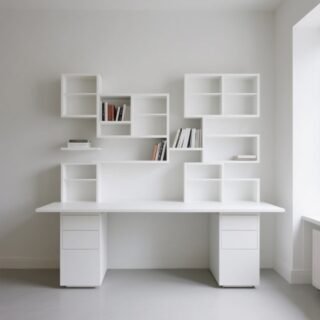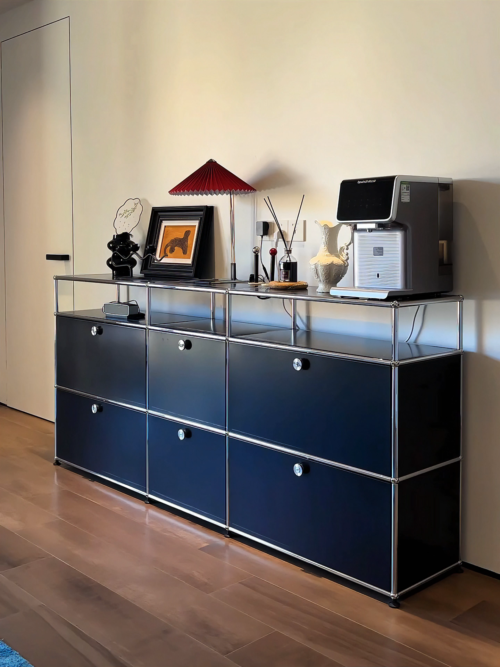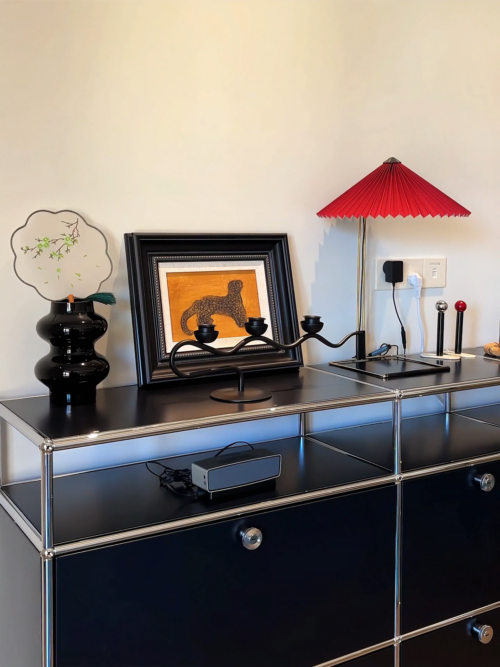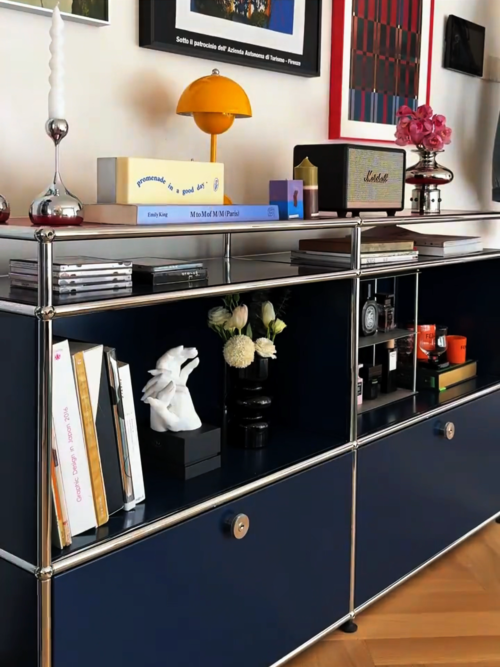

Architectural practices specializing in commercial interiors report a 22% increase in projects requiring multi-functional zone planning. The blurring of traditional office hierarchies has led to adaptive furniture systems that transform between collaborative and individual work modes. Acoustic performance requirements have doubled in open-plan environments, necessitating new material combinations in panel construction. Ergonomic specialists emphasize the need for adjustable components that accommodate postural changes during extended work sessions. Lighting integration within storage units emerges as a key trend, with embedded LED systems reducing desktop clutter. Fabric durability standards now require 150,000 double rubs for high-traffic areas, up from 50,000 in previous guidelines. The adoption of magnetic accessory systems allows rapid reconfiguration of workstation layouts, cutting setup time by 40% in pilot installations.
Design Concept Innovation: Practical Exploration of Functional Integration in Modern Office Spaces